
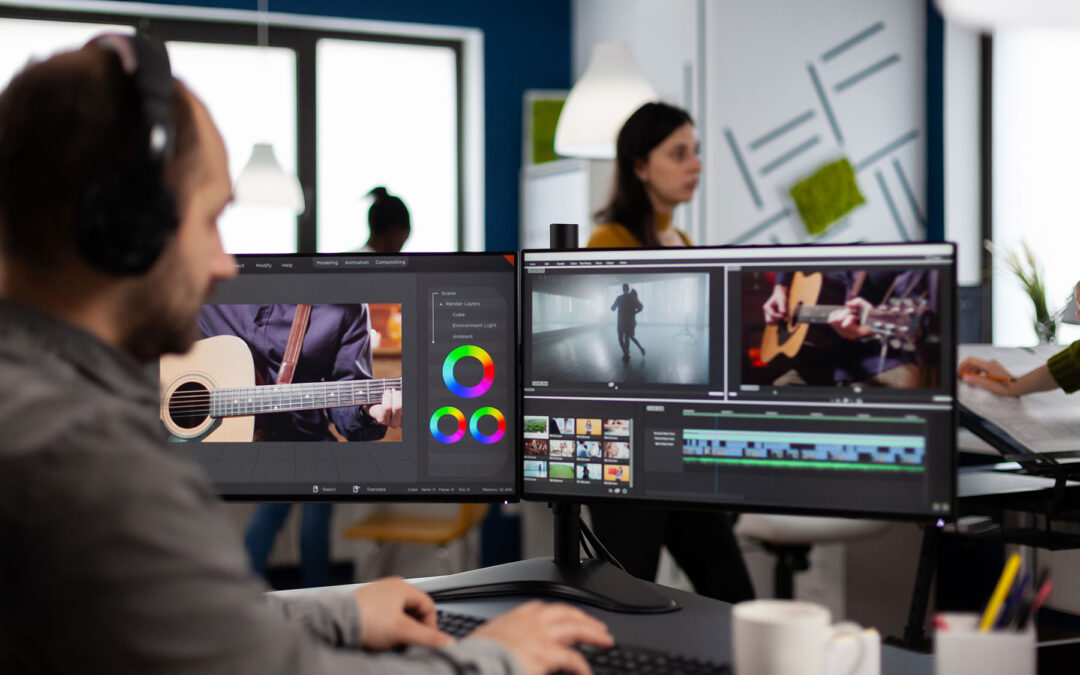
Turning written articles into engaging videos can extend reach, improve engagement, and support multiple channels. Outsourcing article-to-video conversion to a specialist saves time and avoids the learning curve of new tools. This article lists five practical approaches, an outsourcing workflow, selection criteria, and a short pilot checklist so you can test a provider without risk.
Why outsource article-to-video conversion
- Faster production: Providers convert text to scripts, visuals, and final edits much quicker than most in-house teams starting from scratch.
- Access to tools and talent: Agencies and studios combine AI tooling with editors, voice talent, and motion designers for higher-quality output.
- Cost predictability: Clear pricing models (per-video, subscription, or project) make budgeting easier.
- Focus on strategy: Your team stays focused on content strategy and distribution while the provider handles assembly and optimization.
Top 5 outsourcing approaches
- Template-driven conversion: Provider maps article sections to pre-built templates (intro, bullets, CTA) and automates assembly for consistent, fast outputs.
- Script-first editing: Provider rewrites articles into concise scripts, then produces videos using human or AI voiceovers and curated visuals.
- Automated narration plus human polish: AI voiceover creates a first draft; human editors refine timing, tone, and pacing before final rendering.
- Data-driven personalization: Use article variants and data fields to generate multiple personalized videos (e.g., industry-specific intros or regional callouts).
- Hybrid motion design: Combine automated cuts with bespoke motion graphics on key scenes to elevate flagship content while automating the rest.
Step-by-step workflow for outsourcing
- Submit articles: Provide source text, preferred length, and any visual assets (images, logos).
- Define tone and format: Specify narration style, pacing, aspect ratios, and target platforms.
- Approve script draft: Provider returns a short script or storyboard for your approval before production.
- First draft review: Review the assembled video and request limited edits (timing, captions, brand elements).
- Finalize & deliver: Receive final files in required formats and aspect ratios for distribution.
How to evaluate providers
- Relevant samples: Ask for article-to-video examples similar in length and style to your content.
- Turnaround and revision policy: Confirm typical delivery times and how many revision rounds are included.
- Voice and caption options: Ensure they support human narration if you need it and provide accurate captions for accessibility.
- Pricing transparency: Look for clear per-video or subscription pricing and any extra fees for custom motion work.
- Security: Verify secure file transfer and confidentiality processes for draft content.
Pilot checklist (quick)
- Select 2–3 articles that represent typical length and tone.
- Provide brand assets: logo, color codes, and a sample style guideline.
- Set one measurable goal (e.g., increase social engagement or produce X platform-ready videos).
- Request delivery in platform-ready formats and a single revision cycle to keep timelines tight.
Common mistakes to avoid
- Overloading the script: Long, dense text doesn't translate well to short videos—ask providers to summarize for on-screen pacing.
- Neglecting captions: Many viewers watch without sound; accurate captions are essential.
- Not specifying platforms: Different platforms prefer different aspect ratios and lengths—be explicit up front.
Contact us at Post2.Video to start a pilot project!